Coney Hall council rules for bulky waste and rubbish disposal
If you live in Coney Hall and you are staring at an old sofa, broken wardrobe, or a pile of renovation leftovers, the rules around bulky waste and rubbish disposal can feel oddly specific. One minute it looks simple, the next you are wondering what counts as bulky waste, what your council will collect, and whether that mattress has to go somewhere else entirely. This guide breaks it down in plain English, with practical steps, sensible cautions, and a few real-world tips that save time, hassle, and, frankly, a bit of stress.
Done properly, bulky waste disposal is straightforward. Done badly, it can lead to missed collections, fly-tipping risks, or waste that should never have gone in the first place. Let's make the process clearer.
Table of Contents
- Why Coney Hall council rules for bulky waste and rubbish disposal matters
- How Coney Hall council rules for bulky waste and rubbish disposal works
- Key benefits and practical advantages
- Who this is for and when it makes sense
- Step-by-step guidance
- Expert tips for better results
- Common mistakes to avoid
- Tools, resources and recommendations
- Law, compliance, standards, or best practice
- Options, methods, and comparison
- Case study or real-world example
- Practical checklist
- Conclusion
- Frequently asked questions
Why Coney Hall council rules for bulky waste and rubbish disposal Matters
Bulky waste is one of those household jobs that looks harmless until it sits in your hallway for three weeks. Council rules exist to stop collections becoming unsafe, blocked, or unfair to neighbours. They also help make sure items are handled in the right way, especially anything that may need dismantling, specialist treatment, or separate recycling.
In Coney Hall, as in most London areas, the main issue is not just getting rid of things. It is making sure they are presented, separated, and booked in a way that matches local collection expectations. The details matter because waste teams typically need clear access, safe lifting conditions, and items that do not contaminate other rubbish.
Truth be told, most problems happen when people treat bulky waste like ordinary bin rubbish. A cracked chest of drawers is not the same as a black bag of household waste. A fridge is not the same as a broken chair. Once you understand that difference, you avoid a lot of crossed wires.
Expert summary: The smartest approach is to identify each item type first, then decide whether it fits council collection rules, needs a special service, or is better handled through a licensed clearance option.
If you are dealing with a broader property clear-out, it can also help to look at related services such as house clearance, home clearance, or flat clearance when the job goes beyond a couple of items.
How Coney Hall council rules for bulky waste and rubbish disposal Works
While every council has its own booking process and item rules, the general structure is similar. You normally need to check what is accepted, book a collection or arrange another approved disposal route, and prepare the waste in line with the local instructions. Simple enough, but the preparation stage is where people often trip up.
Bulky waste usually includes things like sofas, wardrobes, tables, chairs, mattresses, and other large household items that are too large for standard bins. Some councils also accept certain electrical items, though appliances often have separate handling rules. Garden waste, builder's rubble, and hazardous materials are usually treated differently again. Different category, different route. That's the pattern.
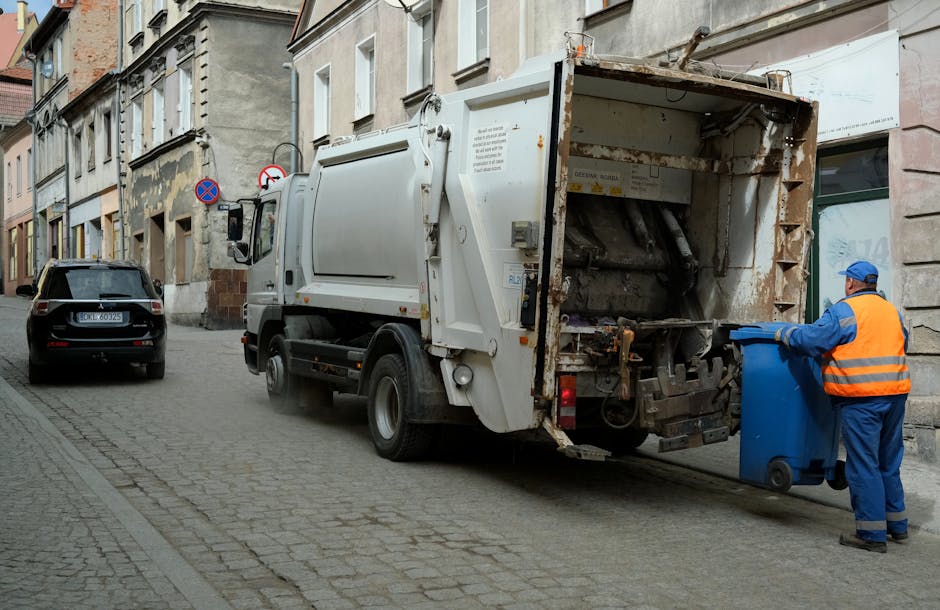
For rubbish disposal in general, the expectation is that you keep ordinary household waste in the correct container and do not leave loose bags, loose sharps, or contaminated materials out in a way that creates a mess or a hazard. Council crews are there to collect within the rules, not sort through an unpredictable pile of mixed waste in the rain.
Here is the practical reality: if your load mixes furniture, DIY debris, and odd bits like old paint tins or broken glass, you may need to separate it before disposal. That separation makes collections more reliable and often cheaper, too.
For anyone comparing alternatives, the page on waste removal is useful when you want a broader service rather than a single council collection. And if the waste is from a renovation or strip-out, builders waste clearance may be the better fit.
Key Benefits and Practical Advantages
Following the right disposal route is not just about being "compliant". It gives you some very real advantages.
- Less hassle: You avoid failed collections and repeated phone calls.
- Safer handling: Correctly prepared items are easier and safer to lift.
- Cleaner presentation: Neighbours and passers-by are not left looking at a messy pile on the pavement.
- Better recycling outcomes: Reusable and recyclable materials are more likely to be separated properly.
- Lower risk of penalty or complaint: Particularly if waste is left in the wrong place or in the wrong format.
There is also a quieter benefit: peace of mind. When the load is booked properly, you are not glancing out of the window at a damp sofa on the kerb wondering whether it will still be there on Tuesday. Been there? Many people have.
For bulky household items specifically, dedicated disposal routes can be more practical than trying to shoehorn everything into a general rubbish plan. If you are dealing with old seating, the page for mattress and sofa disposal gives a good idea of how specialist items are often handled. Similar logic applies to white goods, where fridge and appliance removal may be a more sensible route than general waste.
Who This Is For and When It Makes Sense
This topic matters to more people than you might think. It is not just for landlords or renovation crews. In Coney Hall, bulky waste rules are relevant if you are:
- Clearing out a spare room or loft
- Replacing furniture after a move
- Finishing a rental turnover
- Dealing with a garage full of old odds and ends
- Getting rid of garden debris after a big tidy-up
- Handling office or business waste that has become bulky over time
If you are a homeowner, the job often starts with a single item and quietly snowballs. A broken bed frame leads to a box of old textiles, then a garden chair, then a pile of broken shelving. Suddenly the job has become a small clearance project.
For business premises, the decision can be more operational. You may need rubbish removed quickly, with minimal disruption and clear paperwork. In that case, business waste removal is a useful point of reference. Office moves, meanwhile, often benefit from office clearance because desks, chairs, filing units, and electronics rarely fit a casual disposal plan.
Garden waste is its own little world, by the way. If you are cutting back hedges, lifting old planters, or clearing weathered timber, garden clearance is usually a better fit than standard domestic rubbish disposal.
Step-by-Step Guidance
If you want the process to go smoothly, use a simple sequence. It sounds basic, but basic is good here.
- Sort the waste into categories. Separate bulky household items, general rubbish, garden waste, builder's debris, appliances, and anything hazardous.
- Check item condition. Can it be reused, donated, or sold? If not, move to disposal.
- Identify restricted items. Paint, chemicals, batteries, gas canisters, and some electricals may need special handling.
- Measure large items. This helps with access, loading, and choosing the right disposal method.
- Decide on the route. Council collection, skip, licensed clearance, or a specialist service.
- Prepare access. Keep pathways clear, unlock gates, and make sure items are ready to be moved.
- Present the waste properly. Follow the council's instructions on where and how to leave items, if collection is booked.
- Confirm what happens next. If you are using a clearance company, make sure you understand timing, uplift, and any exclusions.
That last step is underrated. A surprising number of delays come from simple access issues, not the waste itself. A narrow hallway, a parked car, or a locked back gate can throw off an otherwise straightforward collection. One small snag, and the whole thing drags on.
If you are unsure whether items belong in a skip, the page on what can go in a skip is handy for checking the sort of materials that are usually acceptable. It is especially useful when you are dealing with mixed loads.
Expert Tips for Better Results
Here is the bit that usually saves people the most time.
- Take photos before you start. It helps you estimate volume and spot restricted materials early.
- Break items down where safe. Flat-pack furniture, shelving, and some frames are easier to move once dismantled.
- Keep like with like. Don't mix clean wood, metal, textiles, and rubble if you can avoid it.
- Think about lift points and sharp edges. Even a small broken chair can snag a bag or scratch a wall.
- Book earlier than you think you need to. Especially after holidays, move-out weekends, or spring clear-outs.
One practical observation from real-life clearances: people often overestimate how easy it will be to move one "big item". It looked manageable in the bedroom. Then it gets to the stairs and, well, there's the awkward pivot moment nobody enjoys. If in doubt, plan for two people and a clear route.
For fragile or confidential materials, different rules apply. If you are clearing paperwork with personal data, confidential shredding is the safer route. For fragile household contents or mixed possessions, a broader home clearance can be much more efficient than tackling item by item.
Common Mistakes to Avoid
The most common mistakes are not glamorous, but they are the ones that cause real trouble.
- Leaving items out too early. This can create complaints or make collections less predictable.
- Mixing hazardous waste into household waste. Paint, solvents, and certain appliances often need separate treatment.
- Assuming all furniture is treated the same. Sofas, mattresses, and appliances often sit in different categories.
- Ignoring access problems. No clear path means slower removal. Simple as that.
- Using the wrong container or service. A general rubbish solution is not always suitable for bulky items.
A slightly annoying but important point: what looks like "just a few bits" can still be classified as non-standard waste. The safest approach is to check before the item reaches the kerb. Once it is already outside, your options are narrower.
For heavier household furniture, a specialist route such as furniture clearance or furniture disposal can be more efficient than trying to improvise. Same goes for a full garage clear-out, where garage clearance saves a lot of back-and-forth.
Tools, Resources and Recommendations
You do not need fancy equipment to get bulky waste sorted, but a few simple tools help a lot.
- Measuring tape: Useful for checking whether a sofa or wardrobe will fit through doors and stairs.
- Marker pen and labels: Handy for separating "keep", "dispose", and "special handling".
- Heavy-duty gloves: Worth it for sharp edges, splinters, and dusty items.
- Trolley or sack truck: A practical help for heavier loads, if the path allows.
- Clear bags or boxes: Best for smaller loose waste that might otherwise scatter everywhere.
On the recommendation side, think in terms of waste streams rather than one giant pile. If you have mixed items from a loft, the page on loft clearance is relevant because loft jobs often combine old furniture, paperwork, Christmas decorations, broken storage, and the occasional mystery box nobody wants to open twice.
If the items come from a larger property refresh, house clearance or flat clearance may be a more realistic starting point than trying to handle each item as a standalone disposal issue.
Law, Compliance, Standards, or Best Practice
Without getting overly legal about it, the key principle is simple: waste should be disposed of responsibly, and it should go through the correct route for the material type. In the UK, that usually means using lawful, traceable disposal methods and avoiding anything that could create environmental harm, contamination, or nuisance.
Best practice also means duty of care. In plain terms, if you arrange for waste to be removed, you should be satisfied that it is handled properly and not dumped somewhere dodgy a few miles away. That applies whether you are a homeowner, landlord, or business.
Special care is needed for items that may pose a risk, such as fridges, freezers, appliances with refrigerants, chemicals, sharp metal, or contaminated materials. If you are unsure, treat it as a separate category until it is properly identified.
For construction and refurbishment work, following the correct disposal route is especially important. Mixed waste from building jobs can include wood, plasterboard, tile, metal, and packaging, and some materials need more careful treatment than others. It is also sensible to check company policies around handling and safety. Pages such as health and safety policy and insurance and safety are useful signals when you want reassurance that waste is being managed professionally.
Options, Methods, and Comparison Table
There is no single "best" way to dispose of bulky waste in Coney Hall. The right choice depends on the type, volume, urgency, and whether any items need specialist handling. Here is a practical comparison.
| Method | Best for | Advantages | Limitations |
|---|---|---|---|
| Council bulky waste collection | One-off household items | Convenient and familiar | May have item limits, booking rules, and timing restrictions |
| Skip hire | Ongoing clear-outs or mixed non-hazardous waste | Good for larger volumes | Needs space and correct loading, plus you must know what is allowed |
| Licensed waste removal service | Mixed or time-sensitive waste | Fast, flexible, often less work for you | Usually chosen for convenience rather than the lowest possible cost |
| Specialist item disposal | Appliances, mattresses, sofas, hazardous items | Better handling for item-specific rules | May require separate booking or preparation |
If your job is mostly ordinary household waste, a skip may be fine. If your load is awkward, mixed, or you simply want it gone quickly without turning the driveway into a staging area, a managed clearance is often the easier answer. Not always cheaper, mind you, but often calmer.
Case Study or Real-World Example
A typical Coney Hall scenario goes like this. A family finishes a refurb, and suddenly the spare room holds a tired sofa, two wardrobes, a broken bedside cabinet, and a pile of cardboard that has somehow multiplied overnight. They first assume it can all go out together with general rubbish. It cannot.
After sorting the items, they separate the sofa and mattress, check the wardrobe can be dismantled safely, and keep the cardboard away from anything damp or contaminated. The appliance in the corner is identified as an old fridge, which needs separate handling. That small bit of sorting changes everything. Instead of a confused, half-failed attempt at disposal, the load becomes manageable and each item has a clear route.
The family also discovers that one hallway turn is tighter than expected. So they measure the widest part of the wardrobe before moving it, which saves a very awkward scrape against the wall. A tiny detail, but it matters. In real life, those tiny details are the difference between a smooth job and a frustrating one.
For a similar kind of practical help, if the job extends into the garage or garden, a dedicated service like garden clearance or garage clearance can make the process much less chaotic.
Practical Checklist
Use this quick checklist before you book or move anything.
- Identify each item and group it by type
- Remove anything hazardous or restricted
- Measure large items and check access routes
- Separate reusable items from true waste
- Keep rubbish dry and contained where possible
- Confirm whether you need bulky waste, appliance, or specialist disposal
- Make sure the waste will not block footpaths or entrances
- Review any company details on pricing and quotes if you want to compare options
- Book in advance if the collection depends on a tight deadline
- Keep a note of what was removed, just in case you need it later
Short version? Sort first, book second, move third. It's a small bit of discipline that saves a surprising amount of effort.
Conclusion
Coney Hall council rules for bulky waste and rubbish disposal are really about making disposal safe, tidy, and predictable. Once you separate bulky items from ordinary rubbish, check for special categories, and choose the right route, the whole thing becomes much easier to manage. A lot of the headache comes from uncertainty, not the waste itself.
If you are dealing with a few large household items, a council route may be enough. If the job has grown arms and legs, a clearer and more flexible disposal service may be the better fit. Either way, the winning move is to plan before the pile becomes a problem. That is the bit people thank themselves for later.
Get a free quote today and see how much you can save.
And if you are still halfway through the clear-out, don't worry. Tidy progress beats rushed mistakes every time.
Frequently Asked Questions
What counts as bulky waste in Coney Hall?
Bulky waste usually means large household items that do not fit in a normal bin, such as sofas, beds, wardrobes, tables, and similar oversized items. Some appliances may also count, but they often need separate handling.
Can I leave bulky waste on the pavement for collection?
Only if the collection has been booked and the items are presented in the way the collection service asks for. Leaving waste out at the wrong time or in the wrong place can cause complaints or missed collection.
Can I put a mattress or sofa in general rubbish?
No, not usually. Mattresses and sofas are generally treated as bulky items and often have their own disposal rules. It is safer to use the relevant specialist route rather than treat them as ordinary rubbish.
What should I do with old appliances?
Fridges, freezers, washers, and similar appliances can require special handling because of their materials and components. Check the correct disposal route first, especially if the item contains refrigerant or wiring.
Is it better to use council collection or a clearance service?
It depends on the job. For a small number of standard items, a council collection may be enough. For mixed waste, urgent removals, or larger clear-outs, a clearance service is often more convenient.
Can I mix garden waste with bulky household items?
You can only do that if the chosen disposal route allows it. In practice, it is usually better to separate garden waste from furniture and household rubbish because each waste stream may be handled differently.
What happens if I include hazardous waste by mistake?
It can cause the collection to be refused or delayed. Hazardous items such as chemicals, batteries, or certain electronics should be identified separately before disposal.
Do I need to dismantle furniture before disposal?
Not always, but dismantling large furniture can make collection easier and safer. If an item is too large to move through a hallway or staircase, taking it apart may be the best option.
How do I know if my waste can go in a skip?
The simplest answer is to check the item type against skip rules before loading anything. Mixed loads, heavy rubble, appliances, and restricted materials may need separate treatment. The page on what can go in a skip is useful for this kind of check.
What is the safest way to clear a whole room or house?
The safest approach is to sort items first, identify anything restricted, and then choose a disposal method that suits the volume and access. For larger jobs, services such as house clearance, home clearance, or office clearance are often more practical than handling everything separately.
How do I avoid fly-tipping problems?
Use a lawful, traceable disposal route, do not hand waste to unknown operators, and make sure your waste does not end up dumped by the roadside or in a lay-by. A bit of caution here goes a long way.
Can businesses in Coney Hall use the same disposal rules?
Some principles are the same, but businesses often need a more structured approach, especially for larger volumes, repeated collections, or mixed commercial waste. In that case, business waste removal is the more relevant route.
What if I only have one large item?
If it is a single sofa, wardrobe, or appliance, a dedicated bulky item collection may be enough. If the item is awkward, heavy, or restricted, use a specialist disposal option instead of trying to force it into a standard rubbish plan.
Where can I ask for help if I am still unsure?
If you are unsure, use a trusted service page or contact route on the website and explain what you need removed. A clear description of the items, access, and timing usually gets you to the right answer faster than guessing.