Commercial Waste in Coney Hall
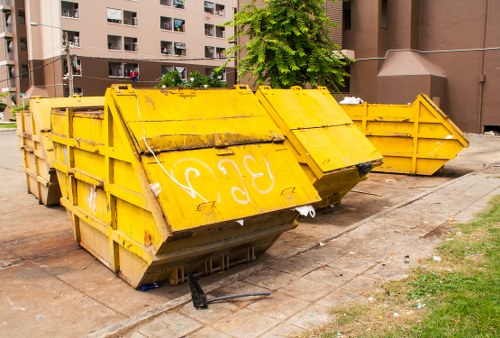
Commercial waste in Coney Hall needs a practical, reliable approach that fits the way local businesses actually operate. We provide a straightforward service for handling everyday business refuse, bulk clearances and scheduled collections where they are needed, with a focus on keeping work organised and disruption low. The aim is to make disposal easier for shops, offices, workshops and other premises that want a clear route for removing waste responsibly.
Our commercial waste removal service is designed to help with the regular stream of materials that builds up in business settings. That can include packaging, mixed non-hazardous waste, office contents, unwanted fixtures and other general waste streams that need separating and taking away in an orderly way. Clear communication, sensible planning and a tidy finish all matter, especially when the work has to fit around trading hours or access constraints.
To request a quotation, you can send over a short description of what needs removing and the type of site involved. If you already know the volume or have photographs, that helps shape a useful estimate, but a brief written outline is often enough to begin. Keeping the request simple usually makes it quicker to match the right service to the job.
Business Waste Removal for Different Premises
Business waste removal is rarely the same from one location to the next, so the service needs to be flexible. An office may mainly produce paper, packaging and redundant furniture, while a retail unit might need help with cardboard, display materials and back-of-house rubbish. Other sites may produce heavier general waste that requires more careful lifting and loading. We tailor the work to the type of premises and the material involved rather than treating every clearance as a standard job.
For many customers, the most useful part of the service is simply having a dependable way to clear accumulated waste without letting it build up around the working area. That might mean removing sacks, broken items, cardboard, shelving, counters or mixed contents from storage rooms and workspaces. Where a site has restrictions, access issues or tight operating hours, the plan can be adjusted so the removal is carried out in an orderly way that suits the property.
What can be included
Depending on the premises and the waste stream, the work may cover:
- general non-hazardous business waste
- packaging, cardboard and mixed recyclables where appropriate
- unwanted office contents and basic furniture
- shop floor or storage area clearances
- light dismantling before loading, when needed
Waste Removal for Offices, Shops and Work Areas
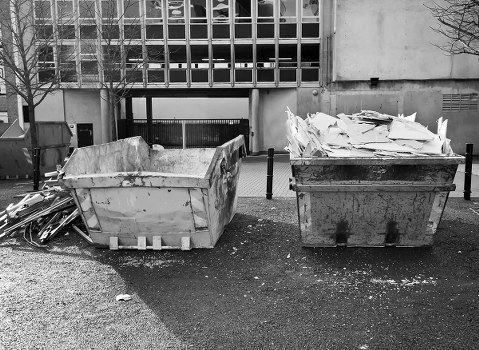
Office waste and commercial clearances often require a careful balance between speed and discretion. Desks, chairs, filing units and obsolete equipment can accumulate when layouts change or teams reorganise. We remove items from occupied or recently vacated spaces and keep the process focused on the agreed load, so the area can be handed back in a cleaner, more workable condition. A practical approach matters more than a dramatic one: the job should be efficient, controlled and clear from the outset.
Shops, cafes and customer-facing premises can also benefit from a removal service that deals with unwanted stock, worn fixtures and back-room waste without creating unnecessary disruption. The exact load changes from site to site, so the service is best thought of as a flexible collection and clearance option rather than a fixed one-size-fits-all package. If you need a tidy way to clear business waste, it is worth outlining the main items first so the work can be matched properly.
For larger or more varied loads, it can help to separate the work into sensible groups before collection. That might mean dealing with office furniture in one part of the building and mixed waste from a store room in another. A short note about access, stairways, loading points or any items that need special handling can make the arrangement clearer. If you are ready to compare options, use the pricing page for more detail and ask for a quotation.
Clearance Work for Household and Light Commercial Items

Some business premises also need removal help with items that sit between domestic and commercial use. That can include household-style furniture in staff areas, storage contents from mixed-use properties or unwanted items left behind when a workspace changes hands. Our service can accommodate those situations where a simple, organised clearance is more useful than arranging several separate visits. The focus remains on removing the agreed items safely and leaving the area ready for its next use.
Where furniture or bulky goods are involved, the main decision is usually how the load should be broken down and what requires disposal rather than reuse. Sofas, office seating, cabinets and similar items may take up valuable room before removal, so a clear plan for loading and handling keeps the work manageable. If there are awkward items, mixed contents or fragile surfaces to protect, it is best to mention them early so the collection can be arranged with the right care.
For smaller clearances, customers sometimes want a simple way to keep the process moving without overcomplicating the enquiry. A short list of items, a description of the property type and any access details are usually enough to begin. From there, the aim is to provide a quotation that reflects the actual work rather than a generic estimate. If the load is more substantial, a fuller description will usually lead to a more accurate figure.
Understanding the Collection and Removal Process
The removal process is most efficient when the scope is understood before the job begins. That starts with identifying the waste type, the approximate amount and whether anything requires special handling within the normal commercial waste service. It is also helpful to know whether the work involves a single collection, repeated removals or an arranged clearance after a refit, move or tidy-up. Each of those situations needs a slightly different approach.
Good preparation does not need to be complicated. A customer can usually move the process along by sharing a few practical details:
- what needs removing
- where the items are located
- how easy the access is for loading
- any items that should stay on site
- the preferred timing for the work
Those details help keep the conversation focused on the actual service rather than guesswork. They also reduce the chance of surprise adjustments on the day, which is useful when the site is active or the waste is spread across several rooms. If the job is straightforward, the quotation process can be equally straightforward. If the contents are mixed or the clearance is more involved, a more detailed description will be more helpful.
About Coney Hall
Coney Hall is a residential area in the London Borough of Bromley, in south-east London, and it is closely associated with the post-war suburban spread that reshaped much of this part of the capital. The area sits near West Wickham and is linked to a wider network of local roads and bus routes that connect it with neighbouring districts. Its character is shaped less by a single historic centre than by the layered development of housing, local shopping parades and green edges that reflect Bromley’s suburban identity. The name itself is commonly connected with Coney Hall Farm, which gave the area a recognisable title before extensive housing development. Much of the built form dates from the twentieth century, with streets and estates arranged in a way that suits suburban living rather than a compact town core. The local landscape is also influenced by the nearby Park Langley and the wider Blackbrook Valley and Keston areas, giving the neighbourhood a mix of settled residential streets and access to open land. As with many parts of outer London, the area’s sense of place comes from everyday routes, small community facilities and the relationship between housing and open space rather than from large civic monuments. The place name remains a useful marker for a distinct local community within Bromley’s broader pattern of suburbs, and it is often understood through the everyday geography of local roads, nearby green corridors and the changing residential growth of the twentieth century.
Commercial Waste Handling with a Practical Finish

A sensible waste handling service should do more than move items from one place to another. It should reduce clutter, support orderly operations and leave the site with a cleaner working footprint. That is why we keep the service centred on the agreed load and the practical realities of the premises. Whether the waste is a regular business build-up or a one-off clearance, the work is planned around safe loading, steady progress and appropriate disposal.
Different jobs can raise different questions about sorting and responsibility. Some customers want help with mixed general waste only, while others need to separate office items, furniture and recyclable material before the collection. The right route depends on the contents, the condition of the items and the arrangement at the premises. If you are unsure how to describe the job, a simple summary is usually enough to start the conversation, and you can build in more detail if it is needed.
Request a quotation when you are ready to talk through the waste, the access and the scale of the clearance. If you would prefer to look at related services first, our pages on business waste removal, office waste removal and general waste removal can help you choose the most suitable option for your premises.
Choosing the Right Type of Removal
Not every load calls for the same approach. Some sites need a simple rubbish removal visit, while others need more targeted help with office contents, furniture or a larger mixed clearance. Choosing well starts with understanding what is actually on site and which items can be removed together. The more clearly the waste is grouped, the easier it is to match the work to a suitable removal plan without overcomplicating the arrangement.
There can also be a difference between a routine business waste collection and a one-off clearance after a change of use, refurb or relocation. Routine waste is usually about keeping the premises clear at regular intervals, whereas a clearance may involve older stock, forgotten storage, redundant fittings and bulky items that have built up over time. Both can be dealt with through a commercial removal service, but the way the job is described will affect how it is arranged. If you are comparing options, clarity about the contents will make the next step easier.
For customers with a mix of waste types, it often helps to think in terms of the end point: what needs to leave the premises and what should remain. That practical question is usually more useful than trying to label every item in advance. A brief, accurate explanation supports a quotation that reflects the real job. If the items are bulky, awkward or spread across several rooms, say so at the outset. That keeps the service grounded in the actual work required.
Planning Access, Timing and Site Conditions
Access and timing are important parts of any commercial waste removal because they affect how smoothly the work can be carried out. A collection from a ground-floor storage area is different from a clearance that involves stairs, narrow corridors or shared entrances. It also matters whether the site is open to the public, in use by staff or available only during a short window. Those practical details allow the work to be planned in a way that fits the premises.
It is usually enough to provide a short note about loading points, gate codes, parking limitations or any restrictions on large vehicles if they apply. You do not need to write a long brief, but the more useful the information, the easier it is to avoid unnecessary delays. If there are items that require careful lifting or cannot be moved without disassembly, mentioning that early helps the job stay orderly and efficient. Good preparation is about removing uncertainty, not creating extra administration.
Where the waste is simple and the location is easy to access, the collection can be arranged in a relatively direct way. Where the premises are more complex, a slightly fuller description is the better route. The aim is always the same: match the service to the site, remove the waste cleanly and leave the remaining space ready for use.
Materials, Limits and Responsible Disposal
Commercial waste services have to work within the limits of the material being removed. General business waste, packaging, furniture and many common office items can usually be handled as part of an organised clearance, but not every material belongs in the same load. Hazardous waste, specialist items and anything that needs separate treatment should be identified clearly before the job is arranged. That keeps the process compliant and prevents confusion on site.
When the waste is suitable for standard removal, the service can focus on separating what can be taken, what should stay and what needs special attention. That may mean grouping recyclables where appropriate, removing redundant furniture carefully or loading mixed items in a way that keeps the site safe. The key point is not to overpromise a one-size-fits-all answer. Instead, the service should be described honestly, with the actual material and scope guiding the plan.
If you are preparing for a quotation, the most helpful thing is a plain description of the waste rather than a guess about every disposal step. Mention the type of items, whether they are loose or bagged, and whether there are any restrictions on access or handling. A clear description is usually enough to move from enquiry to a practical estimate.
Getting Started with a Quote
The easiest way to start is to tell us what needs to be removed, where it is located and whether the job is a one-off clearance or part of an ongoing waste arrangement. That gives enough context to discuss the likely scope without unnecessary back-and-forth. If you have photographs or a rough inventory, they can be useful, but they are not the only way to begin. A short written summary is often enough to get things moving.
For commercial customers, the quotation stage should be efficient and practical. It should help you decide whether the service suits the premises, the volume of waste and the timings you need. If you want to keep things simple, focus on the essentials: item type, quantity, access and any special limitations. Plain facts are usually best when you are requesting a quotation for business waste removal in Coney Hall.
Use the contact route that suits you best and ask for a quotation when you are ready. If you would rather review supporting information first, the pages on pricing and quotes, recycling and sustainability and health and safety policy can help you understand the wider service approach before you send details.