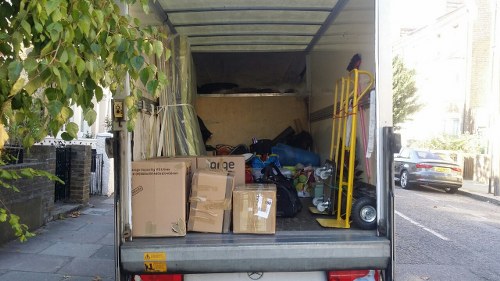
Commercial Waste Coney Hall: Recycling and Sustainability Commitment
Commercial Waste Coney Hall is focused on delivering an eco-friendly waste disposal area and a sustainable rubbish area for businesses of all sizes. Our approach blends practical on-the-ground operations with clear environmental targets, so that shops, offices and light industrial units in and around Coney Hall can reduce landfill, increase reuse, and support the local circular economy. We combine efficient collection systems with community partnerships to turn waste into resources.Ambitious Recycling Percentage Target
We have set a clear recycling percentage target: 70% recycling of all collected commercial waste by 2030. This target covers dry recycling, organic streams and materials diverted to reuse. To get there we prioritise source separation, frequent collections for high-diversion streams, and ongoing staff training for businesses to ensure consistent waste sorting. Measuring progress is central to our plan — monthly diversion reports and annual audits help keep us on track.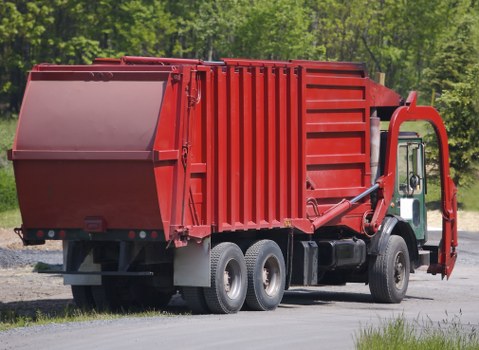
Local Waste Separation and Borough Practices
The borough approach to waste separation informs our systems: many local councils encourage kerbside separation of mixed recyclables, food waste and garden material. For commercial clients we tailor that model into practical routes and on-site segregation. Typical recycling activities in the area include:- Paper, cardboard and cardboard baling for onward processing.
- Glass collection and mixed-container sorting for local MRFs.
- Food and catering waste captured for anaerobic digestion or composting.
- Textiles and furniture reuse streams, working with specialist reprocessors.
Local Transfer Stations and Materials Recovery
To maintain an effective eco-friendly waste disposal area, we rely on authorised transfer stations and Materials Recovery Facilities (MRFs) within London and the adjacent boroughs. These transfer points allow us to consolidate loads, reduce mileage per tonne and ensure contaminants are removed before recycling processing. Where possible, materials are routed to local facilities to keep transport emissions low and support regional circular infrastructure.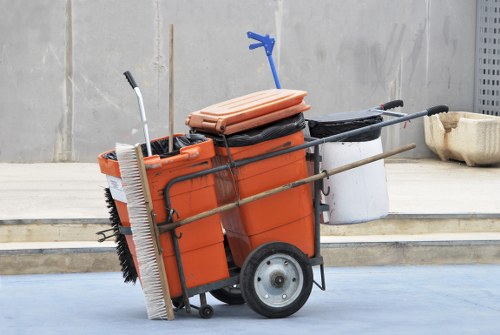
Partnerships with Charities and Reuse Networks
Strong partnerships with charities and reuse organisations are a cornerstone of our sustainable rubbish area strategy. We work with local community groups, furniture banks, textile reprocessors and food redistribution charities to ensure usable items are diverted from the waste stream. These collaborations deliver social value as well as environmental gain: repairing, repurposing and redistributing goods extends product lifecycles and benefits residents in the borough.Commercial waste in Coney Hall often includes trade packaging, leftover stock and catering waste; by connecting businesses to reuse partners we reduce disposal costs while maximising resource recovery. Our network also includes social enterprises that offer training and employment opportunities, turning collection routes into community uplift schemes.
Low-Carbon Vans and Fleet Decarbonisation
The fleet that services the area is transitioning to low-emission and low-carbon vans to create a genuinely sustainable rubbish area for local industry. We employ a mix of electric vehicles, hybrids and efficient Euro6 alternatives for heavier work while investing in route optimisation software to cut mileage. Lowering operational carbon is as important as higher recycling rates—fleet choices directly reduce emissions associated with business waste collection.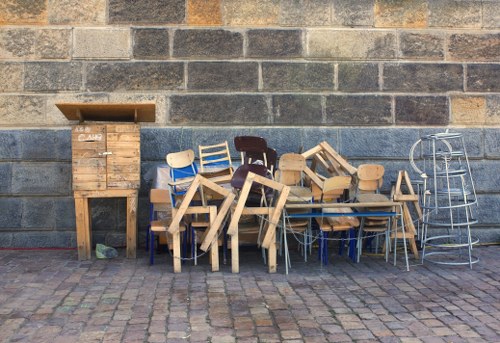
Operational Controls and Monitoring
Robust operational controls are essential to hit the 70% recycling target. We run targeted training for site staff, provide clear signage and colour-coded containers, and implement scheduled inspections to reduce contamination. Data-driven route planning, weighbridge records at transfer stations and regular audits enable transparent performance tracking. Monthly dashboards show diversion rates, contamination incidents and progress toward the borough-level aims.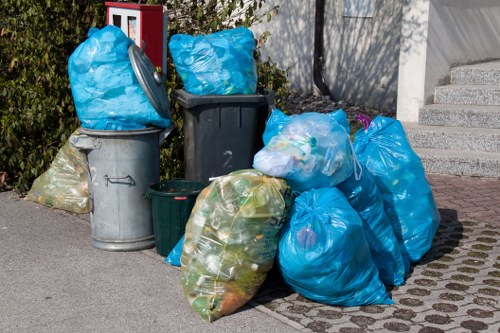
Creating a Resilient Sustainable Rubbish Area
Our model for Coney Hall commercial waste emphasises resilience: diversified recycling options, strong reuse partnerships, and continual improvement in vehicle emissions. By combining local infrastructure with community collaboration we create an eco-friendly waste disposal area that supports businesses and reduces environmental impact. We welcome opportunities to align with tenants and building managers to implement shared bin hubs, food waste collection points and textile donation drives.Measuring Success and Next Steps
Success is measured by more than a single number: alongside the target recycling percentage we monitor carbon intensity per tonne, rates of reuse, and the proportion of material kept in-council or regionally processed. Regular consultation with local stakeholders ensures our services meet the needs of Coney Hall enterprises while staying aligned with broader borough waste separation policies.Continuous improvement is embedded into our operating model: pilot projects for on-site compaction, seasonal glass and textile collections, and expanded electric vehicle charging at transfer hubs are all part of the roadmap. By maintaining transparent reporting and deepening charity partnerships, the Coney Hall commercial waste programme keeps moving toward a cleaner, greener local economy.
Summary commitment: achieve 70% recycling by 2030, maximise reuse through charity partnerships, use low-carbon vans to reduce operation emissions, and collaborate with local transfer stations and borough initiatives to create a model eco-friendly waste disposal area and sustainable rubbish area for everyone in the community.
